Skip to content
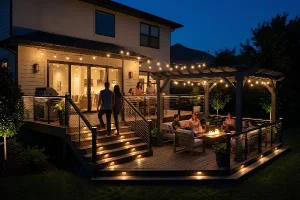
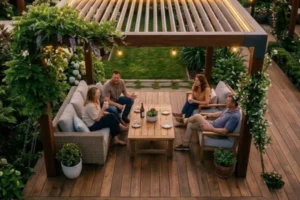
A well-designed deck can turn your backyard into a relaxing retreat, but adding a roof takes it to the next level. Custom decks with covered roofs combine comfort, protection, and style, making them one of the best investments for homeowners looking to extend their living space outdoors. Whether your home is modern, rustic, or somewhere in between, a covered roof deck can be tailored to suit your design preferences and withstand your region’s weather. From functionality to aesthetics, the benefits are endless.
Adding a roof over your deck or patio isn’t just about shielding yourself from the elements, it’s about creating a space you’ll love to use year-round. It enhances curb appeal, expands usable square footage, and helps regulate interior temperatures by providing shade. With the right materials and design choices, a roof over deck feature can elevate your backyard’s entire look and feel while increasing your property’s value.
This guide explores everything you need to know about building a custom covered roof and deck, from choosing the right style and climate for your home to selecting practical features and planning your budget.
Why Decks with Covered Roofs Are the Perfect Outdoor Upgrade
Covered decks are more than just a luxury, they’re a smart addition to any home. They offer long-term benefits in functionality, comfort, and value.
Protection from Weather and Sun
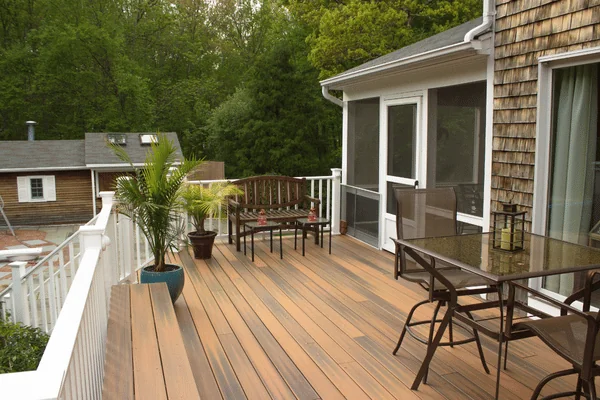
Installing a roof over deck areas helps protect outdoor furniture, flooring, and finishes from sun damage, rain, and snow. It extends the lifespan of your deck and allows you to enjoy the outdoors in nearly any weather. A covered roof deck is ideal for year-round use, keeping you comfortable regardless of the weather.
Energy Efficiency and Indoor Comfort
By providing shade and reducing direct sunlight on adjacent indoor areas, decks with shades structures help lower indoor temperatures, which can reduce your cooling costs. This passive cooling method is particularly beneficial for homes in hot climates, where sun exposure can lead to overheating and higher energy bills.
Added Aesthetic and Property Value
A thoughtfully designed roof over a patio or deck structure can dramatically enhance curb appeal. The visual impact is immediate, whether it’s a gable roof, pergola, or flat roof design. Beyond aesthetics, a covered roof and deck increases resale value, making your property more attractive to future buyers.
Choosing the Right Roof Over Deck for Your Home’s Architecture
Your roof over deck design should feel like a natural extension of your home, not an afterthought. When planning, consider your home’s design, shape, and roofline.
Matching Roof Styles to Home Designs
A flat or low-pitched metal roof could offer sleek visual continuity if you have a modern home. Gabled or hip roofs with exposed rafters can create a cozy, cohesive look for traditional or farmhouse-style homes. Matching roof pitch and materials helps the covered roof deck blend in seamlessly, enhancing the home’s overall aesthetic and resale value.
Material Options: Wood, Metal, Polycarbonate, and More
Each material has its pros and cons. Wood is classic, warm, and customizable but requires regular maintenance. Metal is durable and modern, ideal for low-maintenance homeowners. Polycarbonate panels let light through while blocking UV rays, great for shaded but bright spaces. Choose a material that fits both your style and functional needs.
What’s the Best Roof Over Patio or Deck for Your Climate?
Local weather plays a significant role in the design of a patio or dec. Your roof over patio or deck should be designed accordingly. Your roofing material and shape must withstand the conditions year-round.
Hot and Sunny Climates
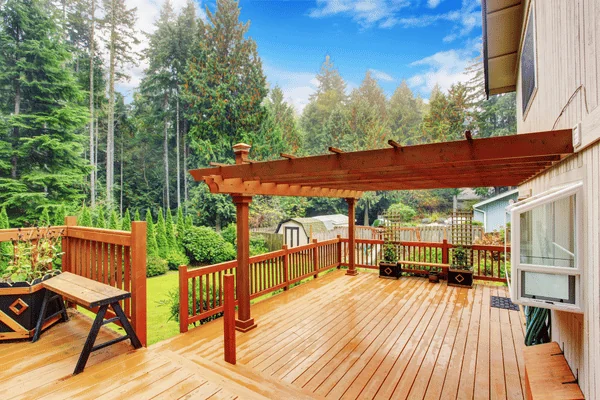
For sunny climates like Texas or Arizona, opt for a covered roof and deck with a heat-reflective metal roof or insulated panels. Adding fans or ventilation at the top helps reduce trapped heat. Polycarbonate roofing with UV filters also works well, keeping the space bright while shielding it from excessive sun exposure.
Rainy and Snowy Regions
In wet or snowy areas, the roof pitch matters. A steep-sloped roof over the deck allows water and snow to slide off easily. Asphalt shingles or standing seam metal are excellent durability and water resistance choices. Gutters and downspouts should also be factored into your design to direct runoff away from your home’s foundation.
Popular Design Styles for Custom Covered Roof Decks
A covered roof and deck can be styled to suit any home. Choose a design that complements your architecture while enhancing comfort and livability.
Rustic and Farmhouse Style Decks
These decks often feature exposed wood beams, whitewashed finishes, and natural textures. Think gabled roofs, tongue-and-groove ceilings, and hanging lanterns. A roof over patio in this style creates a warm, welcoming environment perfect for countryside homes or suburban retreats. Add rocking chairs, a brick fireplace, and an outdoor oasis.
Modern Minimalist Designs
For modern homes, clean lines and neutral tones dominate. A flat or slightly pitched roof over deck with metal framing and recessed lighting offers a contemporary look. Integrating materials like aluminum and glass enhances the minimalist appeal while ensuring durability. These decks pair well with modern landscaping and linear furniture layouts.
Key Features to Enhance Your Roof Over Deck or Patio
Beyond the structure itself, small enhancements can turn a standard covered roof deck into a high-functioning, inviting space.
Lighting, Fans, and Electrical Setup
Adding ceiling fans helps keep the air moving, especially in humid areas. Recessed or pendant lighting makes the space usable in the evenings. Consider wiring for speakers, outlets, and even outdoor TVs. These additions require early planning but significantly boost usability and comfort throughout the year.
Built-in Seating, Planters, and Outdoor Kitchens
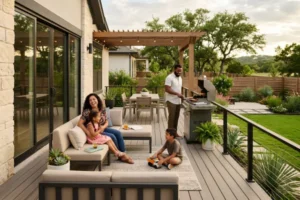
Integrate built-in benches, vertical gardens, or custom cabinetry for a seamless outdoor kitchen. These elements not only save space but elevate your deck’s functionality. A roof over patio makes cooking and dining outdoors practical, even in bad weather, allowing full use of your space regardless of the season.
Privacy Screens and Shade Additions
If your deck is close to neighbors or exposed to the street, consider adding privacy screens made of wood slats, greenery, or fabric curtains. Motorized shades or pergola-style side panels can also provide added shelter from harsh sunlight and wind, making your deck more versatile and comfortable.
Planning and Budgeting Your Custom Covered Roof and Deck Project
Proper planning prevents costly surprises. Every detail, from materials to labor, impacts your project’s final cost and timeline.
Cost Factors: Materials, Labor, and Permits
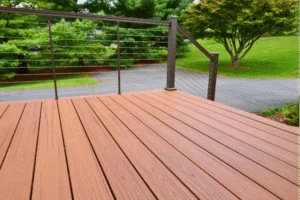
The total price for building a deck can vary greatly. Depending on materials and custom features, expect costs to range from $30 to $100 per square foot. Roofing type, electrical work, and foundation enhancements increase the price. Don’t forget permit fees, which vary by municipality and scope of work.
Timeline from Design to Completion
A straightforward covered roof deck can take 3–6 weeks, while custom builds with plumbing and electricity may take up to 10 weeks. Timeline factors include design approval, weather delays, material delivery, and contractor availability. A well-structured plan can help keep the project on track.
Hiring the Right Contractor for Covered Decks
Always vet contractors who specialize in decks with covered roofs. Check references, licenses, and portfolios. Look for those familiar with your local codes and climate challenges. A qualified team, like Deck Builders College Station TX, ensures your deck is built to last and aligns perfectly with your vision.
Final Thoughts
A covered roof deck offers year-round functionality, added comfort, and boosted curb appeal. Whether you’re seeking shade, shelter, or simply a place to relax, building a roof over deck tailored to your home and lifestyle is one of the smartest outdoor investments you can make. With so many styles, materials, and features to choose from, the options are as flexible as your imagination. From rustic charm to sleek minimalism, your deck can become an architectural highlight and functional retreat.
Ready to bring your vision to life? Contact Deck Builders College Station, TX, to start designing the perfect roof-over patio or deck for your home.
FAQs
1. What is the best roof type for a deck?
The best roof type depends on your home’s architecture and climate. Gable roofs are great for airflow and traditional designs, while flat or shed roofs work well for modern homes. Consider roof pitch, drainage, and sun exposure when selecting the ideal style for your roof over deck.
2. How much does building a roof over a patio or deck cost?
The cost typically ranges from $30 to $100 per square foot, depending on materials, labor, and design complexity. Adding electrical, insulation, or decorative elements increases the price. Always factor in permits, weatherproofing, and contractor fees when budgeting your outdoor living space upgrade for a quality roof over patio.
3. Do I need a permit to build a covered roof deck?
In most areas, adding a covered roof deck requires a building permit. Local codes regulate structural modifications, electrical installations, and setbacks. Failing to obtain a permit can result in fines or demolition orders. Always confirm permit requirements with your local building department before starting construction.
4. Can I enclose my covered deck later on?
Many decks with covered roofs can be enclosed later to create a sunroom or four-season space. Ensure the original structure is designed to support added walls, windows, and insulation. Discuss future plans with your contractor early to avoid costly retrofits or structural limitations down the road.
5. What’s the best material for a deck roof in hot climates?
Use materials like insulated metal panels or UV-blocking polycarbonate sheets in hot climates. These options reflect heat, resist warping, and reduce interior temperatures. Light-colored roofing also minimizes heat absorption, making your covered roof deck more comfortable for year-round use in sun-exposed regions.