Skip to content
Framing a ground-level deck isn’t just about attaching boards and hoping for the best. Because the structure sits so close to the soil, small mistakes with drainage, materials, or layout can quickly shorten its lifespan. As contractors, we see more ground-level deck failures caused by moisture and poor planning than by structural overload.
If you’re learning how to frame a ground-level deck, this guide walks you through what actually matters, from soil conditions and framing methods to long-term durability, so your deck stays solid, safe, and low-maintenance for years.
What Makes a Ground-Level Deck Different From Other Deck Builds
A ground-level deck frame is structurally simpler than an elevated deck frame, but it is subject to greater environmental stress. Because it sits close to the soil, moisture exposure, poor airflow, and ground movement become the primary concerns rather than railing height or stair design.
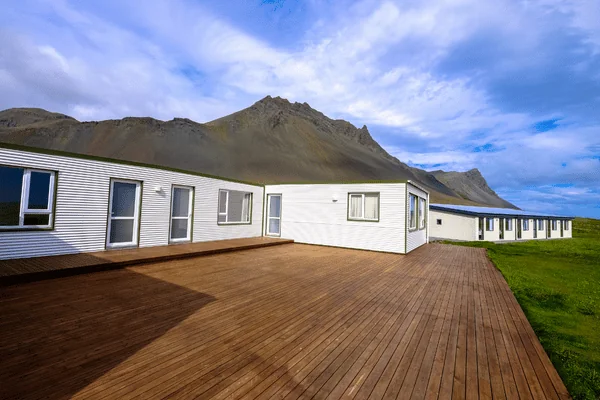
The lower profile reduces the need for stairs and guardrails, making ground-level decks more accessible and cost-effective. However, that exact low clearance leaves less margin for error. When framing is done incorrectly, rot and settlement can occur far sooner than homeowners expect.
Planning Comes First
Before any lumber is cut, planning determines whether your deck will last five years or twenty. The goal is to control water, stabilize the base, and avoid placing the frame where moisture naturally collects.
Choosing the Right Location Around the Home
The best location balances function, comfort, and drainage. Look for areas where water already flows away from the foundation, and avoid low spots that stay damp after rain.
When planning the ideal spot for your new deck, consider:
- Easy access from the home.
- Sun and shade patterns throughout the day.
- Natural runoff direction.
- Space for airflow beneath the frame.
A slightly higher, well-drained area will consistently outperform a “convenient” low spot.
Materials That Last Longer at Ground Level
When homeowners ask how to frame a ground-level deck that lasts, the answer almost always starts with using materials designed for constant moisture exposure. Standard lumber that performs well in elevated structures often fails early when placed near soil and moisture.
Pressure-treated lumber rated for ground contact is the minimum standard for framing. In higher-moisture environments, many contractors also recommend upgraded fasteners, joist tape, and moisture-resistant barriers. Composite decking can improve surface durability, but the frame still needs proper protection underneath.
How to Frame a Ground-Level Deck for Strength and Longevity
A strong frame starts with accuracy. Ground-level decks rely on uniform load distribution since there’s less room to correct sagging later.
Building the Frame Square and Level
Even minor framing errors become noticeable over time. A square, level frame prevents uneven decking, drainage issues, and structural stress.
Best practices include:
- Measuring diagonals to confirm squareness.
- Checking the level across all beams and joists.
- Use temporary bracing during assembly.
- Making final adjustments before fastening permanently.
Taking time here saves years of frustration later.
Joist Spacing and Load Support Basics
Most residential decks use joist spacing (i.e., the distance between boards in the deck frame) of 16 inches on center, though heavier decking materials may require tighter spacing. Load paths should be direct and uninterrupted from joists to beams to supports.
Always keep real-world use in mind as well. Furniture, grills, planters, and social gatherings add more weight than many homeowners anticipate. Overbuilding slightly at this stage is far cheaper than reinforcing later.
Ground-Level Deck Frame Support Options
There’s no single support system that works everywhere. Soil type, frost depth, and drainage all influence the right choice.
Common support options include:
- Concrete deck blocks for stable, well-drained soils.
- Poured concrete piers for long-term stability.
- Post-and-beam systems for uneven terrain.
- Grade beams where soil movement is a concern.
Choosing the right support is one of the most important decisions in a ground-level deck frame.
Moisture Control Is the Make-or-Break Factor
Most ground-level deck failures we repair are caused by moisture. Wood doesn’t need standing water to rot. Constant dampness is enough.
Keeping Wood Off Direct Soil Contact
Direct soil contact accelerates decay and attracts insects, even pressure-treated lumber benefits from separation.
Effective methods for protecting your wood include:
- Gravel bases for drainage.
- Concrete blocks or footings.
- Air gaps beneath framing.
- Ground-rated lumber where clearance is limited.
Airflow and drainage are just as necessary as structural strength.
Flashing, Tapes, and Protection Methods Contractors Use
Modern moisture control relies on layered protection. Joist tape protects framing from trapped water, flashing directs runoff away from critical joints, and membranes add an extra barrier in wet climates.
These details don’t change how your deck looks, but they dramatically change how long it lasts.
How to Build a Deck Frame on the Ground Without Future Repairs
The goal isn’t just to build. It’s to avoid rebuilding in a couple of years. By learning how to frame a ground-level deck the right way and taking these steps early, you can ensure your deck stands the test of time.
Preventing Rot, Insect Damage, and Sagging
When installing a deck, it is essential to prevent rot, insect damage, and sagging to ensure longevity. Contractors prevent long-term issues by:
- Using ground-contact-rated lumber.
- Elevating framing whenever possible.
- Sealing fasteners and cuts.
- Inspecting annually for early signs of decay.
Small preventive steps eliminate major repairs later.
Planning for Maintenance Access
Access is often overlooked. Leave enough clearance to inspect framing, remove debris, and check drainage. Removable deck boards or access panels make long-term maintenance realistic rather than disruptive. Regularly check for debris buildup, as it can lead to moisture issues and unnecessary repairs over time.
Cost Factors Homeowners Should Expect Before Building
Learning about the real costs of framing a ground-level deck helps homeowners budget accurately and avoid surprises mid-project.
Material Costs vs. Labor Savings
For most homeowners, materials account for the largest share of the budget. Pressure-treated lumber for a basic ground-level deck frame typically runs $3–$6 per square foot, while composite or upgraded framing materials can push that range to $6–$10 per square foot. Additional costs include fasteners, joist tape, concrete blocks or footings, and gravel for drainage.
DIY labor can save several hundred to a few thousand dollars, depending on deck size, but those savings only hold if the framing is done correctly. In many cases, homeowners choose a hybrid approach, handling the prep work themselves and hiring a contractor for layout and structural framing.
Long-Term Cost of Doing It Wrong
Improper drainage, undersized joists, or framing set too close to the soil often lead to rot, settling, and structural failure within a few years. Repairs for a failing deck frame can easily exceed $2,000–$5,000, especially if sections must be dismantled and rebuilt.
From a contractor’s perspective, investing slightly more upfront almost always costs less than correcting preventable framing mistakes later. A properly framed ground-level deck should deliver decades of safe use, not ongoing repair bills.
Common Ground-Level Deck Framing Mistakes Contractors Fix
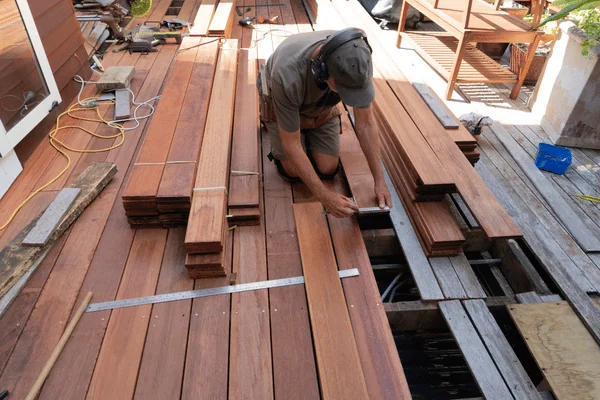
The most common issues we correct include poor drainage planning, insufficient soil clearance, missed moisture barriers, and undersized supports. These mistakes don’t fail immediately, but they always fail eventually, especially when homeowners underestimate what it takes to know how to frame a ground-level deck properly.
Framing a ground-level deck properly requires planning for water, movement, and time. When those factors are addressed effectively, the result is a durable outdoor space that adds real value to your home.
Ready to move forward? Contact a trusted local deck contractor for an on-site evaluation and clear next steps.
Frequently Asked Questions About Ground-Level Deck Framing
1. How long should a ground-level deck frame last?
A properly built ground-level deck frame typically lasts 15–25 years. Longevity depends on material quality, moisture control, soil conditions, and regular inspections. Decks that fail early almost always lack proper drainage or clearance from the ground.
2. Do ground-level decks need footings?
Not always, but footings significantly improve stability. Some low decks use blocks instead of footings, but soil movement and frost can cause settling over time. Local building codes often dictate when footings are required.
3. Can a deck frame sit directly on the ground?
Generally, it’s not recommended due to potential moisture issues and instability. Direct soil contact increases moisture retention, rot, and insect activity, even pressure-treated lumber benefits from elevation, airflow, and drainage separation.
4. What’s the best way to protect framing from moisture?
Protecting your deck framing from moisture is essential to its longevity and stability. Use ground-contact-rated lumber, gravel bases, joist tape, flashing, and proper drainage. Slope Keeping water moving away from the structure is the most effective protection method.
5. What permits are required for a ground-level deck?
When you’re planning to build a ground-level deck, you’ll need to check local deck regulations for any necessary permits. Permit requirements vary by location. Many municipalities require permits for attached decks or for decks exceeding certain size limits. Always check local regulations before starting construction; this can save you time and avoid potential fines.
6. Can I frame a ground-level deck myself?
Yes, with proper planning, tools, and code awareness. However, ground-level decks are unforgiving of moisture mistakes. Many homeowners consult a contractor for layout and framing, even if they install decking themselves. With patience and care, you’ll create a beautiful outdoor space you can enjoy!