Skip to content
A well-designed pool deck is more than just a border around your pool, it’s a functional, stylish space where memories are made. Whether you’re lounging in the sun, hosting a summer gathering, or enjoying a peaceful dip, your deck plays a key role in comfort and safety. That’s why choosing the right pool deck materials is essential.
The options are vast, concrete, pavers, wood, and especially composite decking, each with unique benefits and considerations. In this guide, we’ll explore the most popular choices, including those that stay cool in the sun or suit above-ground pools, so that you can make the best decision for your lifestyle and budget.
Understanding Pool Deck Materials: What Makes the Best Materials for Pool Deck
Choosing the best materials for pool deck projects means striking a balance between durability, cost, and comfort. Some materials excel in slip resistance, while others offer aesthetic appeal or low maintenance. You’ll need to consider how often the area will be exposed to moisture, the amount of foot traffic it’ll endure, and the climate it’ll experience year-round.
Essential Characteristics of Quality Pool Deck Materials
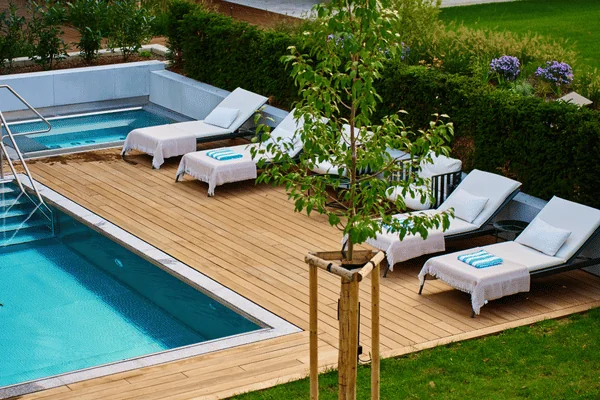
Quality materials should be durable, water-resistant, and easy to maintain. They must withstand UV exposure, pool chemicals, and heavy use without cracking, splintering, or fading. Slip resistance is especially crucial for wet surfaces to ensure safety around the pool. Low-maintenance options reduce the need for constant upkeep, making it easier to enjoy your space without extra work.
Budget Considerations and Long-term Value
It’s essential to consider the long-term implications beyond the initial cost. While some materials may seem affordable upfront, they often require frequent repairs or maintenance, ultimately making them more costly over time. Higher-end materials, such as composite or natural stone, may cost more initially but offer excellent longevity, keeping your deck looking great for years with minimal effort.
Climate and Environmental Factors
Local climate matters. In hot, sunny regions, opt for materials that stay cool underfoot, like porcelain pavers or light-colored concrete. In wet or coastal environments, prioritize materials that are both moisture-resistant and non-corrosive. Your environment will influence both comfort and material lifespan, so choose wisely.
Concrete Pool Decking: The Classic Choice
Concrete is one of the most widely used materials for good reason. It’s affordable, customizable, and highly durable. Whether you’re going for a basic look or a high-end design, concrete can be tailored to your vision.
Traditional Poured Concrete Benefits and Drawbacks
Poured concrete offers a seamless, clean finish and works exceptionally well for above-ground pool deck materials, thanks to its strength and adaptability. It’s budget-friendly and low-maintenance, but not without downsides. It can crack over time due to freeze-thaw cycles or shifting soil, and it can become hot underfoot unless you choose lighter colors or opt for a cooling treatment.
Decorative Concrete Options
Today’s concrete isn’t limited to plain gray slabs. Decorative finishes, such as stamped, stained, or textured concrete, can mimic the look of natural stone, brick, or tile for a fraction of the cost. These finishes boost curb appeal while still offering the benefits of durability and slip resistance. Just remember, even decorative concrete may need sealing every few years to maintain its appearance.
Paver Pool Decks: Elegance and Functionality Combined
If you’re looking for versatility and style, pavers are a top contender. Available in various materials and colors, they create a sophisticated and functional pool surround. Their modular design also makes updates or fixes simple, especially when paired with a reliable deck repair service.
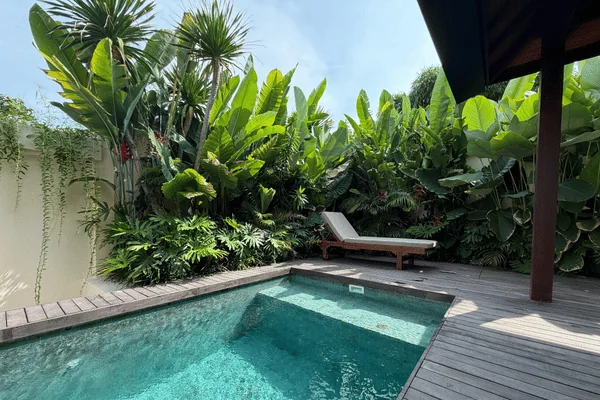
Types of Pavers for Pool Decking
Some of the best pool deck materials include:
- Concrete pavers: Affordable and widely available, they’re easy to install and replace.
- Natural stone pavers, such as granite, travertine, and limestone, offer a high-end style and natural cooling properties.
- Brick pavers: Classic and long-lasting, though they may require more upkeep.
Each option offers a unique look, allowing you to customize the space to reflect your personal style.
Installation and Design Flexibility
Pavers are known for their design flexibility. Whether you want geometric patterns or flowing curves, they allow for a wide range of layouts. Their interlocking nature supports structural integrity and simplifies repairs, just removing and replacing a damaged paver without disrupting the whole deck.
What Are the Best Pool Deck Materials That Stay Cool?
For comfort in hot weather, pool deck materials that stay cool are a must. Nobody wants to tiptoe across a scorching hot surface in midsummer. Luckily, several options help keep things comfortable even in extreme heat.
Heat-Reflective Materials for Hot Climates
Certain materials naturally reflect sunlight rather than absorb it. These include:
- Light-colored concrete: Less heat absorption and widely available.
- Travertine or limestone pavers: Excellent natural insulators that remain cool even on the hottest days.
- Composite decking with cooling technology: Designed to stay cooler than traditional wood or plastic alternatives.
Opting for these surfaces ensures a safer, more pleasant poolside experience.
Innovative Cooling Technologies
Innovative solutions include surface treatments and coatings designed to reduce heat buildup. Some composite materials integrate reflective pigments or use ventilated designs to minimize heat retention. Additionally, permeable pavers allow water to drain and cool naturally. These forward-thinking features offer a major upgrade in comfort and usability.
Wood and Composite Pool Decking Materials: Modern Alternatives
Wood and composite are popular choices for homeowners who want a warm, natural look around their pool. Both offer beauty, but composite stands out for ease of maintenance and durability.
Traditional Wood Decking Around Pools
Wood decking gives your pool area a timeless, rustic feel. Common choices include pressure-treated pine, cedar, and tropical hardwoods like Ipe. However, wood requires regular maintenance to prevent warping, splintering, or fading due to sun and chlorine exposure. It must be sealed frequently and kept clean to avoid mildew growth.
Composite Pool Decking Materials: The Future of Pool Decks
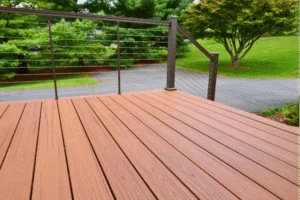
Composite pool decking materials are gaining popularity due to their resilience and low maintenance requirements. Made from a blend of recycled wood fibers and plastics, composite boards resist rot, fading, and insect damage. Many brands are designed with slip resistance and UV protection built in, making them ideal for wet, sunny environments.
Unlike wood, composite doesn’t need staining or sealing. It’s available in a range of colors and textures, some of which mimic natural wood grain. While the initial cost is higher, the long-term savings in maintenance make it an excellent investment, especially for families who want to spend more time enjoying their deck and less time maintaining it.
Installation and Maintenance of Wood and Composite Materials
Composite decking is typically installed using hidden fasteners for a sleek, screw-free surface. Wood decks require more attention to detail in sealing and fastening to ensure longevity. For both materials, keep the surface free of debris and clean it periodically with gentle soap and water. Proper care ensures your deck remains both beautiful and functional.
Above-Ground Pool Deck Materials: Special Considerations
Designing an above-ground pool deck comes with unique challenges. Structural integrity, access, and aesthetics all matter, so your choice of materials needs to check several boxes.
Structural Requirements for Above-Ground Pool Decks
Because these pool decks are elevated, it’s essential to prioritize stability and load-bearing capacity. Always use materials rated for outdoor structural use, and reinforce the foundation to withstand the weight of guests, furniture, and water splashes. Framing should meet or exceed local building codes to ensure compliance with safety standards.
Best Above-Ground Pool Deck Materials
Some of the top materials for these decks include:
- Composite decking: Ideal for elevated platforms due to its strength and water resistance.
- Pressure-treated wood: Cost-effective, but requires regular maintenance.
- Concrete piers with paver surfaces: Durable and visually appealing.
Whichever material you choose, ensure it integrates well with the pool’s design and provides safe, secure access.
Conclusion: Choosing Your Perfect Pool Deck Material
Selecting the right pool deck materials is a blend of style, performance, and practicality. Keep safety at the forefront with slip-resistant surfaces, factor in your climate to choose materials that won’t overheat or degrade. Finally, consider your maintenance preferences and budget. Whether it’s the elegance of pavers, the reliability of concrete, or the low-maintenance appeal of composite, the perfect deck matches your lifestyle and enhances your outdoor space.
Your dream pool deck is just one decision away from becoming a reality. Schedule your complimentary design consultation today and let our local deck experts in College Station
assist you in selecting the ideal material for your lifestyle and budget.
Frequently Asked Questions
1. How do I maintain my pool deck materials?
Maintenance varies by material. Concrete needs pressure washing and sealing; pavers require sweeping and resealing every few years; wood decks need regular sealing or staining; composite decking only needs soap and water. Always check for damage or buildup.
2. Are there eco-friendly options for pool decking?
Yes. Composite decking (made from recycled materials), reclaimed wood, bamboo, and locally sourced stone are sustainable choices that balance performance with low environmental impact.
3. What is the average lifespan of each pool deck material?
Concrete lasts 20–30 years, pavers 25–50 years, wood 10–20 years, and composite decking 25–30 years, depending on maintenance and material quality.
4. Can I install a pool deck myself, or should I hire a professional?
DIY is possible if you have the right skills and tools, but professional pool deck installation ensures proper drainage, structural integrity, and code compliance especially for complex designs. Hiring a pro often leads to better, longer-lasting results.
5. How do different materials affect poolside safety?
Slip-resistant pavers and treated stone improve safety. Wood can be slippery and splinter without upkeep. Composite is often mold- and slip-resistant. Choose materials with traction and cool surfaces.
6. Which pool deck materials stay cool in hot weather?
Light-colored concrete, travertine, porcelain pavers, and heat-resistant composite decking stay cooler. Avoid dark colors and metal surfaces.
7. Do I need to seal my pool deck, and if so, how often?
Yes, for most materials. Seal concrete every 2–3 years, pavers every few years, and wood every 1–2 years. Composite typically doesn’t need sealing, just occasional cleaning.