Skip to content
Adding a gazebo on your deck isn’t just about enhancing curb appeal, it creates a functional, comfortable retreat that elevates your outdoor living space. Imagine stepping outside to a shaded area where you can sip your morning coffee, host weekend barbecues, or relax with friends and family regardless of the weather.
Planning ahead is crucial: you’ll need to consider design, materials, cost, and safety while ensuring your structure complies with local building codes. With thoughtful preparation and the right approach, a gazebo can transform your backyard into a stylish, practical, and welcoming space.
Whether you are looking for shade, style, or a new entertainment hub, building this structure requires careful attention to structural integrity and design flow.
Why Add a Gazebo to Your Existing Deck
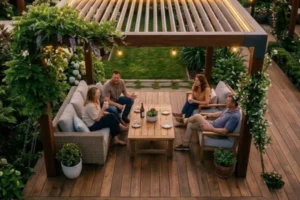
A gazebo on a deck offers a blend of style and functionality. It provides shelter from sun, rain, and wind, letting you enjoy your deck year-round. Beyond practicality, a gazebo enhances your outdoor aesthetic, creating a focal point that complements your deck and landscaping.

Adding features such as lighting, ceiling fans, or outdoor furniture can further boost comfort and usability. Durable materials like cedar, redwood, or composite wood ensure your gazebo remains a low-maintenance, long-lasting addition. Ultimately, installing a gazebo not only increases your home’s value but also improves your outdoor lifestyle, creating a space for lasting memories.
Planning the Perfect Gazebo Addition
Thoughtful planning ensures your gazebo integrates seamlessly with your deck and home.
Choosing the Right Gazebo Style for Your Deck
Your gazebo should reflect both functionality and aesthetic preference. Traditional wooden gazebos offer a classic look, while modern deck designs with clean lines suit contemporary spaces. Consider whether you want an open-air structure for casual lounging or a fully enclosed space for year-round use.
Once you’ve decided, determine how to secure a gazebo to your deck safely, use heavy-duty brackets or lag bolts to ensure stability, especially in windy areas. Finish with colors and accessories that harmonize with your existing outdoor decor.
Sizing and Layout Considerations
Size and layout are critical for aesthetics and practicality. Standard gazebo sizes are around 10×10 feet, but choose dimensions that suit your deck and outdoor space. Ensure adequate clearance for furniture and movement while leaving room for landscaping or lighting. Position your gazebo to maximize sunlight, shade, and views while avoiding obstruction of deck traffic. A well-planned layout ensures the gazebo feels integrated rather than imposing.
Building Code and Permit Requirements
Before construction, check local regulations. Many municipalities require permits for a deck with a gazebo, especially if electrical or plumbing features are involved. Confirm your design adheres to setback rules, height restrictions, and structural requirements. Deck safety permits regarding load-bearing capacity and wind resistance must be met to avoid fines or structural issues.
Design and Material Selection
The right materials and design will determine the durability and visual appeal of your gazebo.
Matching Gazebo Design to Your Deck Aesthetics
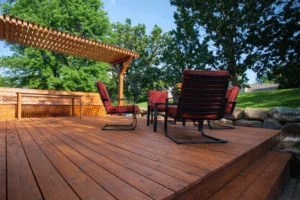
Coordinate materials, colors, and architectural style with your deck. Wooden decks pair beautifully with wooden gazebos, while composite or metal decks suit sleek, modern structures. The roof style, gabled, flat, or curved, should complement your deck’s lines. Harmonizing these elements creates a cohesive outdoor space that is both inviting and functional.
Weather-Resistant Materials
Opt for materials that withstand weather while maintaining visual appeal. Cedar and redwood are naturally resistant to rot and insects. Composite materials offer low-maintenance alternatives that mimic the look of wood. Metal or asphalt shingles protect against rain, while stainless steel or galvanized hardware prevents rust. Sealants and waterproof stains prolong the life of wooden structures, ensuring your gazebo remains a beautiful centerpiece for years to come.
Step-by-Step Process for Building a Gazebo on Your Deck
The following guidelines will help you construct your dream gazebo:
- Step 1 – Prepare and Inspect the Deck Structure
Begin by inspecting your deck for stability, rot, or weak points. Ensure the deck can support the gazebo’s weight, including furniture and occupants. Reinforce as necessary, level the surface, and clear debris. A solid foundation is essential for safety and longevity.
- Step 2 – Lay Out and Mark the Gazebo Footprint
Measure your deck and outline the gazebo’s perimeter with stakes and string. Verify symmetry, check for obstructions, and mark clearly with chalk or spray paint. This careful preparation ensures precise alignment for post-installation.
- Step 3 – Framing and Anchoring the Posts
Use sturdy, weather-resistant posts and position them at each corner of the footprint. Check vertical alignment with a level, and secure posts to the deck using brackets or heavy-duty anchors. This creates a stable foundation capable of withstanding wind and weight.
- Step 4 – Installing the Roof and Finishing Touches
Choose roofing materials suited to your climate, like metal or shingles. Install securely, then add finishing elements such as ridge caps or weatherproofing. Enhance comfort and style with lighting, furniture, or potted plants. Your gazebo should now be practical and visually appealing.
Cost Factors and Budget Planning
Knowing the typical expenses and money can fit into your budget is crucial when organizing your gazebo project. By strategically evaluating your options, you can create a stunning gazebo without breaking the bank.
Average Cost to Build a Gazebo on an Existing Deck
Costs typically range from $3,000 to over $10,000, depending on materials, size, design complexity, and whether you hire professionals or DIY. High-quality materials and custom designs increase costs but offer durability and aesthetic appeal.
In addition to materials, labor, and design complexity, don’t forget potential hidden expenses such as building permits, electrical wiring for lighting or fans, and delivery fees for materials or prefabricated gazebo kits.
Ways to Save Without Compromising Quality
Consider prefabricated kits, pressure-treated wood, or sourcing materials locally to reduce expenses. Tackling some labor yourself can also save money. Strategic planning allows you to balance quality with affordability while achieving a stunning outcome.
Safety and Maintenance Considerations
When building your gazebo on a deck, prioritize these safety and maintenance recommendations:
Structural Safety and Wind Resistance
Ensure your gazebo is anchored securely with concrete footings or heavy-duty brackets. Choose decking materials that are weather- and rot-resistant, and design roofs to reduce wind resistance. Proper safety planning protects both the structure and your deck.
Regular Inspection and Care
Regularly check for loose screws, cracks, or rust. Clean debris from surfaces and roofs, and apply sealants annually. Proper maintenance ensures long-term structural integrity and appearance.
Winter and Weather Preparation
Start by protecting it against snow and ice buildup, which can lead to structural damage. Regularly remove snow and debris promptly, secure loose fasteners, and cover the structure if possible. These precautions protect your gazebo from winter damage and prolong its lifespan.
Should You DIY or Hire a Professional?

DIY construction can save money and be personally rewarding, but it requires experience, tools, and knowledge of building codes and materials. Hiring a professional, like the team at Deck Builders College Station, brings expertise, efficiency, and peace of mind, ensuring your gazebo is safe, structurally sound, and visually appealing.
Before deciding, evaluate your skill level, the complexity of your project, and the time you have available. Working with experienced professionals can streamline the process and help you achieve a beautiful, long-lasting result.
Final Thoughts
Building a gazebo on a deck enhances both function and aesthetics. Careful planning, appropriate material selection, compliance with building codes, and safety considerations are key to a successful project. Whether you DIY or hire a professional, the investment pays off in beauty, durability, and increased enjoyment of your outdoor space. Regular maintenance ensures your gazebo remains a welcoming retreat and a long-term addition to your home.
Bring Your Dream Deck and Gazebo to Life – Call Deck Builders College Station for a Free Consultation!
Frequently Asked Questions
1. What permits are required for building a gazebo on a deck?
Most municipalities require a building permit to ensure safety and zoning compliance. Electrical or plumbing permits may be needed for added features like lighting or water. Check with your local building department for specific requirements to avoid fines or complications.
2. How long does it typically take to build a gazebo?
Construction can take a few days to a couple of weeks, depending on complexity, experience, and whether you use a kit. Prefabricated kits usually shorten construction time. Weather and material availability can also affect timelines. Planning and organizing your tools will help streamline the process, making it more efficient.
3. Can I use my gazebo year-round?
Yes, with proper planning. In colder climates, consider insulation or outdoor heaters; in warm climates, ensure shade and ventilation. Proper maintenance is necessary to protect the structure from seasonal weather effects.
4. What maintenance is needed for a gazebo on a deck?
Inspect for loose screws, rust, and wood damage. Clean roofs and gutters to prevent debris buildup. Inspect the structure for rust or rot and treat any issues promptly. Apply sealants to wooden surfaces annually and re-stain every few years. Regular maintenance ensures safety, longevity, and visual appeal.
5. How do I choose the right location for my gazebo?
Choosing the right location for your gazebo involves considering several factors. Consider sunlight exposure, privacy, accessibility, and space for furniture or movement. Ensure a level, stable surface and harmonious integration with your deck layout and surrounding landscaping. Also, make certain it’s easily accessible from your home and complements your deck’s layout.
6. How do I secure a gazebo to my deck safely?
Use heavy-duty brackets or post anchors designed for outdoor structures. Verify alignment and stability, particularly in windy areas, and use weather-resistant hardware to prevent corrosion. Proper anchoring ensures safety and durability.