Skip to content
Building a ground-level deck is a fantastic way to enhance your outdoor space, offering a versatile area for relaxation, social gatherings, or family activities. However, understanding the costs involved is crucial for making informed decisions. Factors like material choices, labor expenses, and permit fees can significantly impact your budget.
Planning and selecting the right materials will help you create a deck that balances aesthetics and functionality without overspending. Let’s explore the cost breakdown to help you build your ideal ground level deck.
Why Choose a Ground Level Deck for Your Home?
Choosing a grounded deck can be brilliant for your home, especially if you’re looking for a cost-effective alternative to elevated options. You willl appreciate the simplicity and quick installation process, making it ideal for any DIY enthusiast. Plus, it opens up versatile outdoor spaces without breaking the bank.
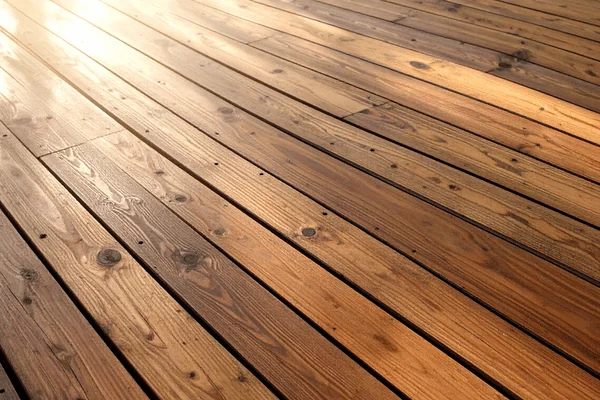
Cost-Effective Alternative to Elevated Decks
Building a deck on the ground is a cost-effective way to upgrade your outdoor space. A ground-based deck requires fewer materials and more straightforward construction than elevated decks, significantly reducing labor costs.
You will not need to install railings or stairs, saving even more. This practical choice offers a functional area for relaxation or gatherings without the hefty price tag, making it perfect for budget-conscious homeowners looking to maximize outdoor living.
Simplicity and Quick Installation
Building a deck on the ground offers a simple and fast installation process, making it an ideal choice for homeowners wanting quick results. A ground deck requires minimal excavation and fewer structural components, allowing for faster completion.
Many homeowners can handle the project themselves, saving on labor costs. This efficient approach means less disruption and more time enjoying your outdoor space, making a grounded deck a convenient and practical addition.
How Much Does a Ground Deck Cost?
Understanding the costs involved is essential when planning your ground-level deck. Several factors can influence pricing, including the materials you choose and the size of your deck. This is a good time to break down the average costs based on different materials to help you budget effectively.
Factors That Influence Pricing
Several factors can significantly impact the overall cost of designing and installing a deck. Let me know if you’d like it to sound more casual, more technical, or tailored for a specific audience!. The deck’s size is a primary factor, as larger decks naturally require more materials and labor, increasing expenses. The complexity of the design also plays a crucial role; simple, rectangular layouts are typically more affordable than intricate designs with curves or multiple levels.
Material choice is another key factor, while budget-friendly options like pressure-treated lumber can save money, more durable materials like composite or hardwood may require a higher initial investment. Labor rates vary by region; permit fees may also apply depending on local regulations. Proper planning can help you manage these costs effectively when building your ground-based deck.
Average Cost Breakdown by Material
The cost of building a grounded deck largely depends on the materials used. Like pressure-treated lumber, wood decking is the most budget-friendly, ranging from $15 to $30 per square foot.
Composite decking, though pricier at $30 to $45 per square foot, offers long-lasting durability. For a premium look, hardwoods like cedar cost around $35 to $60 per square foot. Vinyl decking, costing $30 to $50, is low-maintenance and fade-resistant, making it a practical choice.
How to Build a Ground Level Deck: Step-by-Step Guide
Building a base level deck starts with careful planning and selecting the right materials. Once you have a design in mind, you will need to prepare the site and lay a solid foundation. After that, it’s all about assembling the deck frame and installing the boards to bring your vision to life.
Planning and Choosing Materials
Knowing how to build a base level deck starts with choosing the right materials. Start by selecting the decking material, such as pressure-treated lumber for affordability, composite for low maintenance, or hardwoods like cedar for a natural look.
The frame should use treated lumber to withstand the elements. Stainless steel or galvanized fasteners are best used to prevent rust. Consider vinyl for a modern touch or wood for a classic feel for railings. Proper material selection ensures durability and style for years to come.
Preparing the Site and Foundation
Understanding how to build a ground level deck involves proper site preparation. Start by clearing the area of debris and vegetation. Mark your deck’s outline with stakes and string, ensuring the space is level. If needed, dig or fill to create a flat surface.
Following local building codes, install concrete footings or blocks for a stable foundation. Once the footings are set, you are ready to frame your on-the-ground deck. It is important not to rush this step of the deck-building process!
Assembling the Deck Frame and Installing Boards
Learning how to build a deck on the ground requires a sturdy frame. Begin by laying out the deck’s perimeter, ensuring it’s square. Assemble the frame using pressure-treated lumber, securing beams with screws. Lift the frame onto the foundation and check for level.
Next, install joists 16 inches apart, using hangers for support and added stability. Lay decking boards from one end, leaving gaps for drainage and slight swelling with heat and cold. Secure each board with screws so your deck will be both stable and attractive.
What Are the Best Materials for a Base Level Deck?
When choosing materials for your ground-floor deck, consider durability and maintenance. Pressure-treated wood is an affordable and sturdy option, while composite decking is a low-maintenance, long-lasting alternative. Each material has its benefits, so let’s see what options may best fit your needs.
Pressure-Treated Wood: Affordable and Durable
Pressure-treated wood is a popular choice when building a deck on the ground due to its affordability and durability. Treated with preservatives, it resists rot, insects, and harsh weather, making it a long-lasting option.
Choose wood rated for ground contact to ensure moisture and soil exposure resistance. Staining or sealing after installation enhances appearance and protection. With proper care, this cost-effective material can keep your flat deck looking great for years.
Composite Decking: Low Maintenance and Long-Lasting
Composite decking is an excellent option when learning how to build a ground level deck. Made from wood fibers and recycled plastics, it mimics the look of natural wood without the upkeep. It resists fading, staining, and splintering, requiring only occasional washing.
Though more expensive upfront than pressure-treated wood, its durability and minimal maintenance make it cost-effective in the long run. It is ideal for those seeking a hassle-free, stylish deck on the ground.
Basic Level Deck Cost and Construction
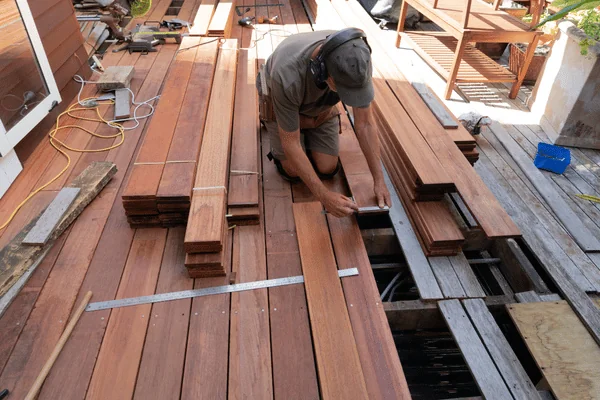
When you are planning your on-the-ground deck, you probably have a few burning questions. You might wonder if you need a permit, the most cost-effective building methods, and how long the entire process will take. Let’s tackle these common concerns to help you start your project.
Permit for a Ground Level Deck
Whether you need a permit for a ground-level deck depends on local building codes. Many areas don’t require a license for low-on-the-ground decks, but it is essential to verify. Visit your local building department’s website to check specific guidelines, which may vary based on deck size, location, or whether it is attached to your home. Zoning laws and homeowner association rules could also impact the need for a permit. If unsure, applying for a permit is safer to avoid fines or complications during resale.
The Inexpensive Way to Build a Deck on the Ground
Building a cost-effective on-the-ground deck starts with planning and selecting affordable materials. Opt for treated lumber for framing and decking, which is budget-friendly and durable. Consider using pallets or reclaimed wood for decking to reduce costs. If you’re able, DIY construction saves labor expenses, but ensure you research the proper techniques for safety. Elevate the deck slightly to improve drainage and longevity. Shopping for deals on materials can help keep the project within budget.
Time Needed to Build a Single Level Deck
The time it takes to build a ground-level deck varies depending on complexity and experience. A simple design might take a weekend, while a more intricate deck could take several weeks. If you are doing it yourself, prepare for the time needed to gather materials, clear the site, and lay the foundation. Weather can affect the timeline, so plan accordingly. Hiring professionals can speed up the process, with many completing the project in under a week, depending on crew size.
Tips to Save Money When Building a Deck on the Ground
When building your flat deck, think about ways to cut down on maintenance costs in the long run. Choosing low-maintenance materials can save you time and money on repairs and upkeep.
By planning wisely, you will enjoy your deck more and spend less on maintenance over the years.
Reducing Maintenance Costs Over Time
Building a ground-level deck can be exciting, but minimizing future maintenance is essential for long-term enjoyment. Choose durable materials like composite decking, which resists rot, insects, and splintering, reducing the need for repairs. Ensure proper drainage and ventilation to prevent moisture buildup, which can cause mold and mildew.
Regular cleaning with soap and water helps maintain its appearance. If using wood, seal or stain every few years for extra protection. Built-in seating or storage can reduce the need for additional furniture. With careful planning, it is easy enjoy a low-maintenance, beautiful deck for years to come.
Final Thoughts on Building a Singe Level Deck
Building a ground-level deck enhances your outdoor space, offering a functional and stylish area for relaxation or entertaining. Consider your budget, as costs vary based on materials, size, and design complexity. Choose durable materials to minimize long-term maintenance.
Also, consider your deck’s placement to maximize sunlight and views while protecting it from harsh weather. Be sure to check local building codes and permits before starting. With careful planning, your new deck will become a lasting, enjoyable feature for years.
Ready to build your dream deck in College Station, TX? Contact us today for a free consultation and get expert advice on the best decking material for your budget!
FAQs
1. What Permits Are Required for Building a Ground Level Deck?
Before starting your ground-level deck, check with local authorities about the required permits. Depending on your location, there might be a need for building permits or zoning approvals. Guaranteeing compliance is essential to avoid future issues.
2. How Long Does It Take to Build a Level Deck?
Building a ground-level deck typically takes one to three weekends, depending on your experience and the complexity of the design. Planning and preparation can also greatly affect the overall timeline.
3. Can I Install a BaseLevel Deck on Uneven Ground?
Yes, you can install a ground-level deck on uneven ground, but you will need to level the area first. Proper support and adjustments will guarantee stability and prevent future issues with your deck’s structure.
4. What Maintenance Is Required for a Sngle Level Deck?
It is important to clean your ground-level deck regularly, checking for debris and mold. Inspect for loose boards or structural issues, and consider sealing them annually to protect against moisture and UV damage.
5. Are There Any Safety Regulations for Ground Level Decks?
Yes, there are safety regulations for ground-level decks. You should check local building codes, verify proper railing heights, and follow guidelines for load capacity. It’s essential to prioritize safety to prevent accidents and guarantee durability.