Skip to content
Homeowners invest a significant amount of time and energy in creating comfortable, functional outdoor spaces. Your deck is often the centerpiece of that space, a place to relax, entertain, or simply enjoy the fresh air. But over time, even the best-built decks begin to show signs of wear. Cracks, splinters, and loose boards are not just eyesores, they can pose significant safety risks and signal underlying structural issues.
So, when your deck starts showing signs of age, you face a crucial question: Should you repair the deck boards, or is it time to replace them altogether? Knowing when to take action and which action is best can save you money, maintain safety, and keep your outdoor area looking its best. What factors will guide your choice?
Let’s take a closer look at what factors can impact your decision on whether to replace or repair damaged deck boards:
Signs Your Deck Boards Need Attention
Regular inspections can help you spot early signs of trouble and address them before they escalate. Knowing what to look for makes a big difference.
Visual Indicators of Deck Board Damage
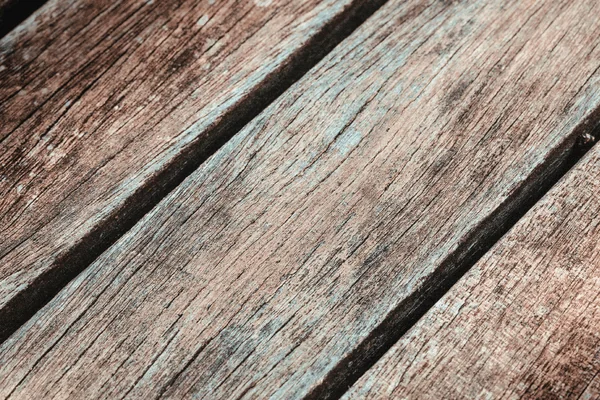
While enjoying your outdoor space, it’s easy to overlook subtle signs of deterioration. Look closely at your boards for:
- Cracks or splits along the wood
- Discoloration or dark spots (which may signal moisture damage)
- Warping or curling edges
- Splinters or peeling stain
These signs may seem minor at first, but they often indicate that your decking repair is needed sooner rather than later.
Safety and Structural Concerns
Beyond aesthetics, damaged boards can create hazardous conditions. Watch for:
- Loose or wobbly boards
- Uneven surfaces that increase trip hazards
- Rusted or missing fasteners
- Water pooling or signs of mold and mildew
These issues compromise the integrity of your deck. If left unchecked, they can lead to more expensive repairs or a complete replacement.
Age-Related Deterioration Markers
Decks aren’t built to last forever. If your deck is over 10–15 years old, it’s time for a thorough evaluation. Common age-related red flags include:
- Soft or spongy wood underfoot
- Boards that sag or bounce when walked on
Frequent need for re-nailing or reinforcing - Faded color or recurring rot patches
Staying on top of these signs helps you decide whether a simple fix will do or if it’s time to explore how to replace a deck properly.
How to Repair a Deck Board: Simple Fixes That Work
If your deck’s problems are limited in scope, professional deck repairs may be all you need. A few practical adjustments can restore both appearance and safety as you weigh your options for whether to replace or repair damaged deck boards.
Minor Deck Board Repair Techniques
For small-scale issues, consider these easy fixes:
- Tighten or replace loose screws
- Use wood filler to patch cracks or holes
- Sand rough edges to prevent splinters
- Clean off mold, mildew, or stains with a power washer
- Swap out a single damaged board
These DIY steps can go a long way toward maintaining the structure of your deck without significant investment.
Intermediate Decking Repair Solutions
When the damage extends beyond the cosmetic, you may require more extensive repairs. Here’s what that might include:
- Reinforcing weakened areas with additional fasteners
- Replacing several adjacent boards
- Applying a water-resistant sealant
- Strengthening support beams or joists beneath the surface
Knowing how to repair deck boards properly ensures that you’re not just masking the problem, you’re fixing it.
When Should You Replace Instead of Repair Deck Boards?
Sometimes, repair just isn’t enough. Whether due to widespread damage or escalating costs, replacement might be the more sensible choice.
Damage Beyond Repair Thresholds
If your deck boards show any of the following, replacement is likely the better route:
- Multiple boards with deep structural cracks
- Widespread rot or mold infiltration
- Fasteners that can no longer secure boards properly
- Warping is so severe that it causes uneven walking surfaces
- Termite or pest damage
These issues overall affect the safety and integrity of your structure and shouldn’t be ignored.
Cost-Benefit Analysis Factors
Evaluating cost is key in the repair vs. replace decision. Consider:
- Number of boards needing replacement
- Labor costs for repeated repairs
- Material costs for matching existing boards
- Frequency of needed repairs
If the cost of fixing exceeds 50% of the price of a new deck or if repairs become a recurring expense, it’s usually more cost-effective to replace the boards entirely.
Timing Considerations for Deck Replacement
Even if the damage seems manageable, timing can influence your decision. You may choose to replace your deck if:
- You’re already planning a major outdoor renovation
- You want to switch to a low-maintenance composite material
It’s nearing the end of the deck’s expected lifespan - You want to increase home resale value with updated features
Taking a proactive approach can prevent last-minute emergencies and save money in the long run.
How to Replace a Deck: Complete Process Overview
Replacing a deck doesn’t have to be overwhelming if that is the answer to your unique situation as you consider the options to replace or repair damaged deck boards. With proper planning, you can transform your space and improve safety and durability.
Planning Your Deck Replacement Project
Start by outlining your goals and gathering essential info:
- Decide whether you’re replacing boards or the entire structure
- Set a realistic budget
- Research permits and local codes
- Choose materials that match your climate and usage needs
- Sketch out a layout and timeline
Preparation is key when learning how to replace or repair a deck board successfully.
Deck Removal and Preparation Steps
To begin, clear the area and remove furniture or decorations. Then:
- Use a pry bar or power tools to lift old boards
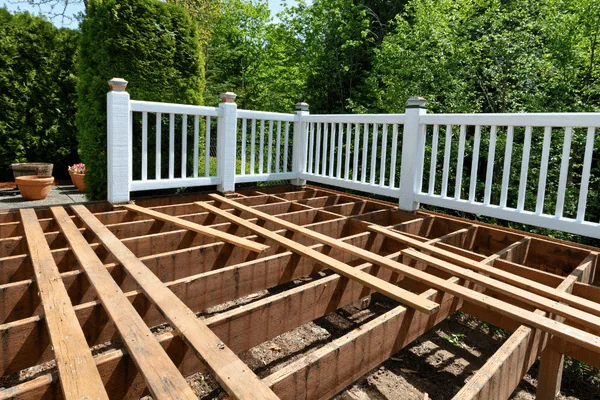
- Inspect the frame and joists for rot or structural damage
- Replace damaged components before installing new boards
- Clean and level the base area
A strong foundation ensures your new deck is stable and long-lasting.
Installation Process for New Decking
Once prepped, follow these key steps:
- Lay joists and make sure they’re evenly spaced
- Choose your decking material (wood or composite)
- Secure boards with rust-proof screws
- Add railing, stairs, or skirting as needed
- Seal or stain wood decks to protect against the elements
When done right, your new deck will shine!
Comparing Costs: Repair vs. Replacement Economics
Understanding the costs involved is vital for smart decision-making. Let’s break it down.
Deck Boards Repair Cost Breakdown
Typical costs for decking repair include:
- Replacement boards ($10–$35 each, depending on material)
- Screws, nails, wood filler, and sealants
- Professional labor (if needed), often $40–$80/hour
- Equipment rental, such as sanders or power washers
- Clean-up and waste disposal
Addressing only damaged areas can be economical, especially if your deck is otherwise in good condition.
Full Replacement Investment Analysis
While weighing the options between repairing and fully replacing deck boards, it’s essential to analyze the long-term investment implications of each choice. Customized deck installation may seem costly upfront, but it often provides greater durability and lower maintenance costs over time. In contrast, repairs may save money now, but frequent fixes can add up, ultimately impacting your budget and the longevity of your deck.
Making the Right Decision for Your Deck
When faced with deck issues, consider the long-term implications. Ask yourself:
- How widespread is the damage?
- Are repairs a short-term patch or a lasting fix?
- Is the deck safe to use in its current state?
- How much life is left in the existing materials?
- Will the placement add value or functionality?
By taking a step back and evaluating the bigger picture, you’ll be better equipped to make the right call.
Replace or Repair Damaged Deck Boards- Final Thoughts
In the end, deciding whether to repair your deck boards or replace them depends on your deck’s age, condition, and your long-term goals. Minor cracks and cosmetic issues often warrant simple restorations, while extensive damage or ongoing problems may call for a full replacement. Regular inspections, thoughtful planning, and budget awareness help you maintain a safe and beautiful deck.
Are you unsure whether to repair or replace your deck boards? Get expert guidance to make the right choice for your home. Contact us today for a professional deck inspection and personalized advice!
Frequently Asked Questions
How Long Can I Expect Repairs to Last?
Repairs can last anywhere from a few years to over a decade, depending on the material quality, the extent of the damage, and the level of upkeep. High-quality materials and proper techniques offer longer-lasting results. Regular maintenance and inspections are key to extending the life of your deck after repairs.
What Materials Are Best for Deck Board Replacement?
Top options include composite, PVC, and pressure-treated wood. Composite is durable and low-maintenance, while PVC resists moisture and pests. Pressure-treated lumber is budget-friendly but requires more care. Select options based on your budget, climate, and desired level of upkeep.
Can I Repair My Deck Boards on My Own?
Yes! You can repair deck boards on your own with the right tools and a good guide. Minor issues, such as splintering or loose boards, can be DIY-friendly, just make sure to inspect the damage, gather necessary supplies like screws or wood filler, and follow the proper steps for a safe and lasting fix.
How Often Should I Inspect My Deck?
Inspect your deck at least once a year or more often after severe weather. Look for cracks, splinters, rot, or loose boards. Addressing small problems early helps prevent larger repairs and keeps your deck safe and functional longer.
Are There Warranties on Deck Board Repairs or Replacements?
Often, yes. Many contractors offer workmanship warranties, and some materials come with manufacturer warranties. Always ask about coverage details before starting your project, and review the fine print to know what’s included and for how long.